
Retro Modern Furniture Design Trends
Furniture is an essential and vital element in any interior space. As interior design trends evolve, furniture design trends naturally evolve alongside them. One of the most popular styles today is Retro Modern furniture. If you’re looking for furniture with timeless appeal, Retro Modern designs are an excellent choice.
But how does Retro Modern furniture differ from Scandinavian furniture? In this article, we’ll explore the characteristics, history, and defining features of Retro Modern furniture in detail.
The Return of Retro Modern Furniture Began Around 2014
Based on observations from the Shanghai Furniture Fair in 2014, many internationally recognized interior design experts predicted that Retro Modern (or vintage-inspired) furniture would become one of the leading furniture design trends in 2015.
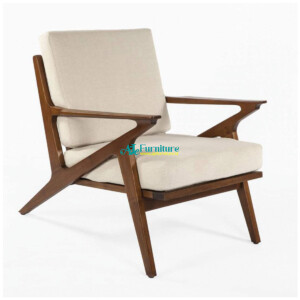 Their prediction proved accurate. Even through 2020 and beyond, contemporary Retro furniture has continued to enjoy widespread popularity among homeowners and interior designers alike.
Inspired by the Shanghai Furniture Exhibition
Vintage and Retro Modern furniture dominated many displays at the Shanghai furniture exhibition, which became an important reference point for furniture design trends.
Growing appreciation for history and nostalgia inspired designers to incorporate historical elements into modern furniture. This marked the resurgence of Mid-Century Modern furniture, which combines classic aesthetics with contemporary functionality.
Retro Modern Furniture Design
Retro Modern furniture blends nostalgic design elements with the comfort and practicality expected from modern furniture. The result is a distinctive style that combines historical charm with contemporary living, creating interiors that feel both timeless and functional.
What Is Retro Modern Furniture?
A common question is: What exactly is Retro furniture?
According to Jepara Art Furnicraft, Retro furniture can generally be understood from two broad perspectives:
- Retro Furniture as an Idealistic Design Concept
- Retro Furniture for the Global Market
Idealistic Retro Furniture
From an idealistic perspective, Retro furniture is inspired by antique and classic furniture, reproduced while preserving its artistic value and historical character.
In this approach, the owner determines the emotional and historical significance of the furniture. Its value is measured not only by craftsmanship and quality but also by the memories and emotions it evokes.
This perspective can be understood through several defining characteristics.
Ethnic Accents
Warm rural influences and traditional craftsmanship create strong ethnic character.
Respect for nature, local culture, and traditional values is reflected in every piece, allowing furniture to connect historical heritage with modern interior spaces.
Nostalgia for the Past
Retro furniture often reminds people of meaningful moments from their childhood or family history.
For example, you may remember an old chair, cabinet, sofa, dining table, or mirror that once stood in your childhood home. Perhaps it was where your parents gave advice, celebrated family gatherings, or shared memorable moments.
By incorporating similar Retro furniture into your own home, you can recreate that nostalgic atmosphere and preserve cherished memories while adding unique aesthetic value to your interior.
Retro Modern Furniture for the Global Market
In the broader international market, Retro Modern furniture emphasizes ethnic influences, cultural identity, and understated elegance.
Rather than being overly decorative, it highlights local wisdom and traditional values through simple yet refined design elements.
Common characteristics include:
- Floral-pattern upholstery
- Straight geometric lines
- Minimalist forms
- Simple wood carvings
- Traditional leaf motifs
- Smooth curves combined with clean, structured shapes
This balance between simplicity and cultural heritage gives Retro Modern furniture its distinctive personality.
The Identity of Retro Modern Furniture
Retro furniture has evolved through various cultural influences, including:
- Javanese traditional design
- Oriental design
- Mediterranean style
- European design
From the 1950s through the 1980s, Javanese and Oriental furniture styles became particularly influential and helped shape what is now recognized as Retro Modern furniture.
Today, Retro Modern continues to combine these historical influences with contemporary craftsmanship, making it a timeless choice for both residential and commercial interiors.
Jengki Retro Furniture
In Javanese culture, Retro furniture is commonly expressed through pieces such as chairs, sofas, minimalist bed frames, and wardrobes. One of the most recognizable styles is Jengki furniture.
The word “Jengki” originally refers to a style of trousers with narrow legs in the Indonesian dictionary. In furniture design, however, Jengki has become synonymous with the distinctive Indonesian modernist style that emerged during the 1950s and 1960s. It is characterized by playful, asymmetrical shapes, angled legs, bold geometric forms, and a unique blend of local creativity with Mid-Century Modern influences.
Scandinavian-Style Retro Modern Furniture
The evolution of Retro Modern furniture has increasingly moved toward the Scandinavian furniture style. Unlike traditional Retro furniture, which emphasizes ethnic influences and cultural heritage, Scandinavian furniture is designed with a broader international appeal.
Its popularity in the global furniture market comes from its clean, minimalist appearance, practical functionality, and timeless aesthetic. Scandinavian furniture typically features simple forms, multifunctional designs, natural materials, and an emphasis on comfort.
The growing popularity of Scandinavian interior design and home décor has also contributed significantly to the demand for Scandinavian-style furniture, as both the furniture and the interior design philosophy complement each other to create bright, functional, and harmonious living spaces.

Retro Modern Furniture Design Trends
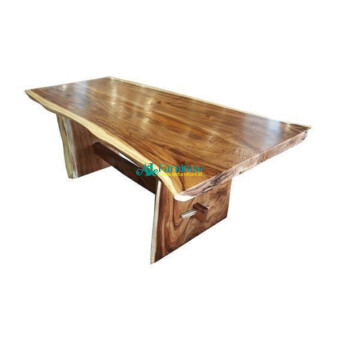
The Beauty and Advantages of Trembesi Wood for Furniture and Interior Decoration
Posted by Aje FurnitureTrembesi wood is a type of hardwood obtained from the Trembesi tree (Samanea saman), a large tropical tree commonly found in Southeast Asia, Australia, and parts of Central and South America. Known for its strength, durability, and striking grain patterns, Trembesi wood is widely used in the production of furniture, home décor, and handcrafted items….
Read more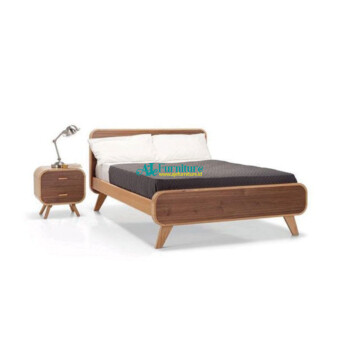
Minimalist Wooden Bed: Elegant, Simple, and Durable
Posted by Aje FurnitureMinimalist Wooden Bed – A good bed is one that provides both comfort and peace of mind while you sleep. Sleep quality is an essential aspect of a healthy lifestyle because it greatly influences a person’s daily activities and overall well-being. When someone enjoys high-quality sleep, they tend to feel more energetic, focused, and motivated…
Read more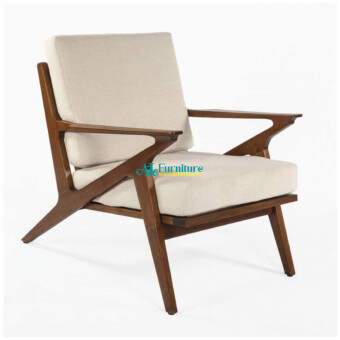
Retro Modern Furniture Design Trends
Posted by Aje FurnitureFurniture is an essential and vital element in any interior space. As interior design trends evolve, furniture design trends naturally evolve alongside them. One of the most popular styles today is Retro Modern furniture. If you’re looking for furniture with timeless appeal, Retro Modern designs are an excellent choice. But how does Retro Modern furniture…
Read more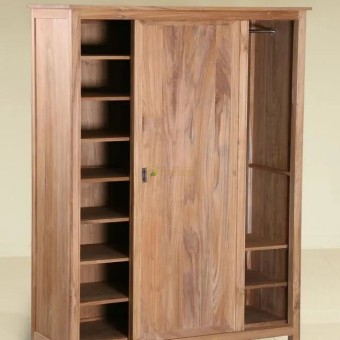
Reclaimed Teak Armoire Sliding
Reclaimed Teak Armoire Sliding Reclaimed Wood Our reclaimed teak id salvaged and repurposed from old houses, boats, bridges, and other structures that are being dismantled or renovated. It is supports environmental conservation by reducing deforestation and the impact on natural habitats. Salvaged properly, cleaned and treated to remove any potential contaminants or pests. The availability…
*Price Call Cs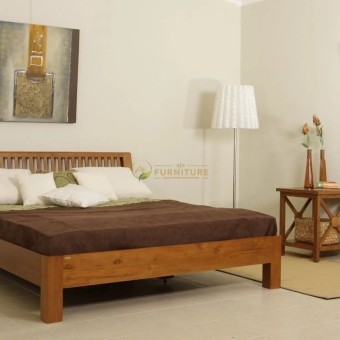
Teak Curved headboard bed
Mission curved slats bed A simple and sturdy solid wood bed handcrafted of teak solid wood. Features a mission headboard assembled of curved slats and large thick frame. Platform mattress support, wooden slats inserted into the side rails. Four large legs in low height large square size. If you love the idea of having a…
*Price Call Cs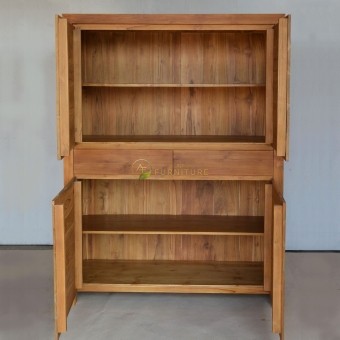
Teak Wardrobe cabinet 4 doors
Overall dimension : Width 130, Depth 45, Height 175 Centimeter Width511⁄8, Depth 175⁄8, Height 687⁄8 Inch Materials: Teak Wood Teak is a type of hardwood known for its durability, beauty, and natural resistance to various environmental elements. Our teak timber comes from the Tectona grandis tree, which is harvested from Teak plantation in Java island,…
*Price Call Cs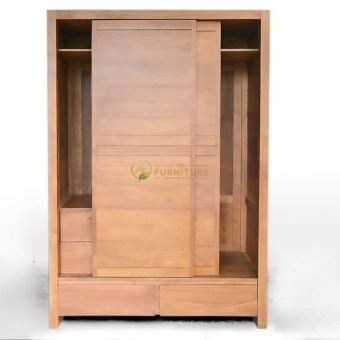
Teak Wardorbe cabinet 2sd
Teak wardrobe Cabinet SD Simple wardrobe cabinet made of teak solid wood, 2 drawers bottom. The piece is a modification of our existing furniture products, the customer add 2 drawers at the bottom about 8 cm height from the floor. 2 drawers side by side in 57 cm width and 22 cm height. Sliding doors…
*Price Call Cs
Retro Modern Furniture Design Trends